
Work Hats for Big Heads, Durable, Reliable, Built for Long Days
Use Case Guide Work hats are not about trends, they are tools. For big heads, that means durability, stability, and comfort under real conditions like heat, sweat, dirt, and long hours. This guide breaks down what actually matters in a work hat so it performs day after day without becoming a distraction. A work hat is different from a casual hat because it is worn through stress, not just for short periods. It has to handle sweat, sun, repeated use, and constant movement without breaking down or becoming uncomfortable. Durability is the foundation. Work hats are typically built with heavier fabrics like canvas, cotton blends, or ripstop materials designed to resist wear and tear, reinforced stitching, and repeated washing. But durability alone is not enough. For big heads, the hat must also maintain shape and fit over time, not stretch out unevenly or collapse under use. Most work hats are made for average head sizes. Under real working conditions, this creates problems fast. A properly designed big head work hat distributes pressure evenly, stays stable during movement, and maintains comfort over long hours instead of becoming something you want to take off halfway through the day. Work environments demand materials that can handle friction, sweat, and repeated wear. Fabrics like ripstop and heavy duty cotton blends resist tearing and maintain structure longer. Stress points like seams and brims need reinforcement. Weak stitching or thin materials fail quickly in work conditions. A work hat should not lose its structure after repeated use. A hat that collapses or warps will stop fitting correctly even if the size is right. Work hats get dirty. Materials that can be cleaned regularly without shrinking or losing shape are essential. Work environments, especially outdoors, create constant heat exposure. Without proper design, hats trap heat and become uncomfortable fast. Breathable materials, mesh panels, and moisture wicking sweatbands are critical for keeping sweat under control and preventing overheating. Quick drying fabrics like polyester blends help manage sweat better than heavier materials like pure cotton, which tend to hold moisture and become heavy over time. For outdoor work, sun protection is not optional. Long exposure increases fatigue and risk of skin damage. Brims of 3 inches or more provide meaningful coverage during full sun exposure. Pairing a hat with proper eye protection is just as important for reducing strain and improving visibility on bright job sites. Work hats must stay in place through bending, lifting, climbing, and constant movement. A hat that shifts or needs constant adjustment becomes a distraction and slows you down. Secure fit systems, deeper crowns, and proper sizing prevent this. In windy environments or elevated work areas, additional stability features like chin straps or adjustable bands can make a significant difference. Bucket hats are a strong option for general work. They offer balanced coverage, flexibility, and comfort without feeling restrictive. Shop bucket hats for big heads For full sun environments like construction, landscaping, or field work, safari style hats provide extended coverage and protection. Shop safari hats for big heads Trucker hats are ideal for hot environments where airflow is critical. The mesh back design helps release heat and keep the head cooler during long shifts. Shop trucker hats for big heads Wide brim hats or breathable caps with strong sun protection and durability are key. Lighter hats with moisture control help manage heat without needing full sun coverage. Full coverage hats with ventilation provide the best balance of protection and comfort. Secure fitting caps that stay in place during constant movement are essential. Heat, sweat, and pressure build up over hours. A hat that is slightly off in fit or airflow will become noticeably uncomfortable the longer it is worn. Both matter. A durable hat that traps heat will not be worn long. A breathable hat that falls apart will not last. The best work hats balance both. Lower quality materials and weak stitching break down under repeated stress, sweat, and washing. Work environments accelerate wear. It depends on the task. In open environments they provide valuable protection. In tight or overhead work areas, a smaller brim may be more practical. Choose a hat with proper fit, airflow, and moisture control. Comfort comes from how the hat manages heat and pressure over time, not just how it feels when you first put it on. A work hat should feel like part of your gear, not something you are constantly adjusting or thinking about. For big heads, the right hat is one that holds up to daily use, manages heat and sweat, and stays comfortable from the start of the day to the end of the shift.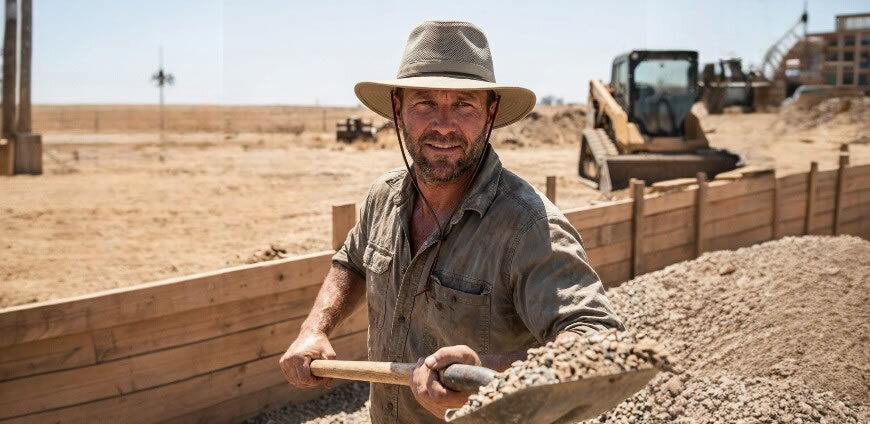
What makes a true work hat
Why big heads need different work hats
Durability, what actually holds up
Fabric strength
Reinforced construction
Shape retention
Washability
Heat, sweat, and long shift comfort
Sun, glare, and visibility on the job
Stability during movement and physical work
Best work hat styles for big heads
Bucket hats, flexible and practical
Safari hats, maximum coverage for outdoor jobs
Trucker hats, airflow and breathability
Matching your hat to your job
Construction and outdoor labor
Warehouse and indoor work
Landscaping and field work
High movement jobs
Common mistakes when choosing a work hat
Big head work hat Q&A
Why do work hats feel worse over time during a shift?
What is more important for work, durability or breathability?
Why do some hats wear out quickly on the job?
Do wider brim hats get in the way while working?
How do I keep a work hat comfortable all day?
Final takeaway