
Adjustable vs Fitted Hats for Big Heads, Sizing Systems, Materials, and Stability Compared
Fit System Guide Choosing between adjustable and fitted hats is one of the most important decisions for people with big heads. The difference is not just how the hat closes, it affects stability, comfort, materials, and long term performance. This guide breaks down how each system works and which one performs better depending on your needs. Fitted hats use specific numeric sizes. Instead of adjusting the hat, you select the exact size that matches your head circumference. Many Lamood fitted styles use stretch-based systems like Flexfit, which combine sizing with built-in elasticity. These hats typically use blended materials such as: This allows the hat to expand slightly while still maintaining a consistent shape. Shop fitted hats for big heads Adjustable hats use a closure system such as strapback, buckle, or snap to change the size range of the hat. They often use similar core materials to fitted hats, including: The difference is not the material itself, but how the fit is controlled. Shop adjustable hats for big heads The materials used in Lamood hats directly influence how each sizing system performs. Polyester provides durability and structure, helping both adjustable and fitted hats maintain their shape under tension. It resists stretching out permanently and holds its form over time. Cotton adds softness and flexibility. In adjustable hats, this makes the fit feel more forgiving. In fitted hats, it helps reduce stiffness while maintaining comfort. Spandex is what makes stretch-fit hats possible. It allows fitted hats to adapt slightly to your head while still behaving like a fixed-size hat. This is one of the most important materials for big heads because it reduces pressure without relying on straps. Mesh is commonly used in adjustable hats, especially trucker styles. It improves airflow but reduces structural rigidity compared to solid fabric panels. Twill fabrics are used in both adjustable and fitted hats. They provide structure and help the hat keep its shape, especially in more formal or everyday styles. Fitted hats provide the most stable fit because they match your head size directly. There is no adjustment system that can shift or loosen. Advantages: This makes fitted hats the best choice for performance, workouts, and situations where movement matters. Adjustable hats offer flexibility but introduce a potential weak point at the closure system. Advantages: Tradeoff: Because fitted hats distribute pressure evenly, they tend to feel more natural over long wear. Stretch blends help reduce tightness without relying on adjustment. Adjustable hats can feel comfortable initially, but the closure system can create pressure points over time, especially on larger heads. Durability depends mostly on materials. Polyester and blended fabrics maintain shape well and resist wear. The closure system becomes the main wear point. Straps, snaps, or buckles can loosen or wear out before the rest of the hat. The best results come from combining the right material with the right fit system. Stretch-fit hats with spandex will adapt slightly, but they are designed to maintain their shape and size range. They can be more forgiving, but they are not always more stable or comfortable long term. Because they distribute pressure evenly and do not rely on a single adjustment point. Yes. The structure and material still limit the overall size, regardless of the strap. Fitted hats often last longer because they have fewer moving parts that can wear out. The choice between adjustable and fitted hats for big heads comes down to control versus flexibility. Fitted hats offer the most stable and consistent experience, while adjustable hats provide flexibility and convenience. The best choice depends on how you wear your hat and how important stability is to you.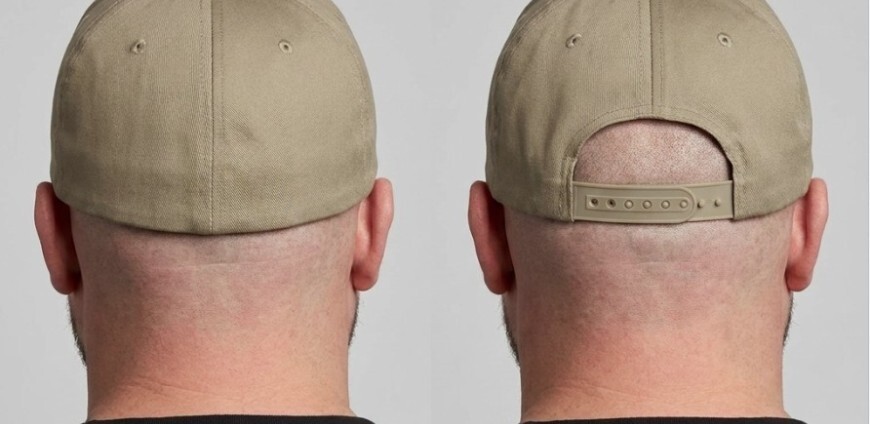
The two sizing systems explained
Fitted hats
Adjustable hats
Material impact on fit systems
Polyester blends
Cotton blends
Spandex and stretch fibers
Mesh and perforated panels
Twill and structured weaves
Stability, the biggest difference
Fitted hats, maximum stability
Adjustable hats, flexible but less locked in
Comfort differences over time
Fitted comfort
Adjustable comfort
Durability and wear over time
Fitted hats
Adjustable hats
Which is better for big heads
Choose fitted if:
Choose adjustable if:
Material and fit system combined
Common mistakes when choosing between the two
Big head adjustable vs fitted Q&A
Do fitted hats stretch over time?
Are adjustable hats better for large heads?
Why do fitted hats feel better once sized correctly?
Can adjustable hats feel tight even when loosened?
Which system lasts longer?
Final takeaway